 Leeds
Leeds Doncaster
 Sheffield
 Bradford
 Hull
Hull Halifax
 Sunderland
 Newcastle
 Middlesborough
 Yorkshire Moors
 Teesside
 Cumbria
 Harrogate
 Teesdale
 York
York Yorkshire Dales
 Northumberland
 Goole
Goole Carlisle
 Keswick
 Kendal
 Barrow-in-Furness
 Lancaster
 Blackpool
 Morecambe
 Southport
 Liverpool
 Wigan
Wigan Manchester
 Blackburn
 Burnley
 Forest of Bowland
 Oldham
 Chester
 Stockport
 Peak District
 Skipton
 Crewe
Crewe Rotherham
 Stoke
Stoke Driffield


For decades, heritage conservation has been a battle between preservation and progress.
Architects, planners and conservationists have often been forced to choose: protect history as it stands, or risk altering it in the name of modernisation. Should we leave a building untouched to protect its character? Or intervene to adapt it for modern use and risk losing what makes it unique? Doing too little leaves heritage assets decaying, unsafe and inaccessible. Doing too much risks stripping them of the very features that make them culturally significant.
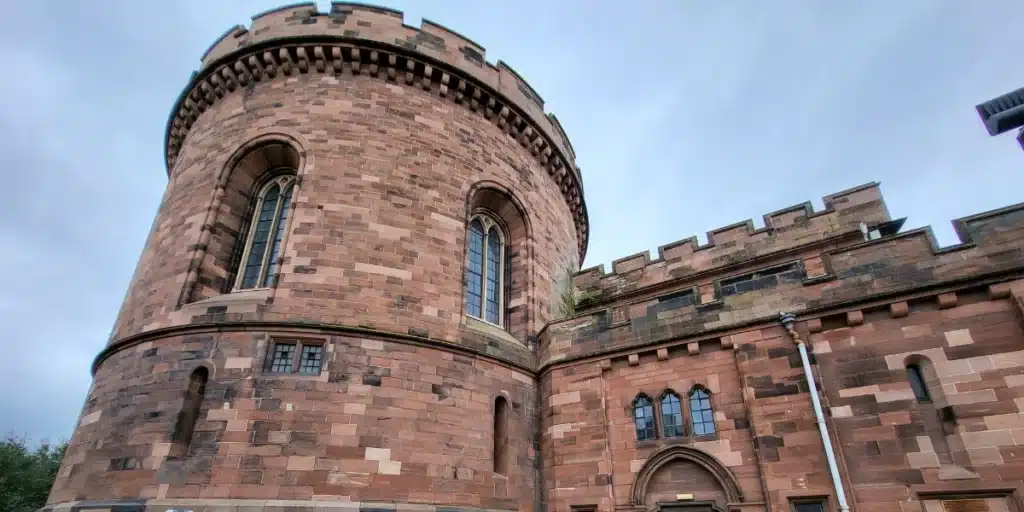
This is where laser scanning methods bridge the gap. With the advancement of laser scanning, it’s possible to capture historic and cultural landmarks in such millimetre-accurate detail that redevelopment decisions no longer come down to compromise. Every stone, curve and heritage feature is digitally preserved – creating usable data for today and the future built on precision data and digital twins.
The reality of heritage projects:
Every heritage or cultural redevelopment comes with its fair share of unknowns. Structures that appear sound may hide centuries of patchwork repair and other strains. Many sites have incomplete or outdated records, leaving architects to rely on assumptions rather than facts.
Fragile details can’t withstand repeated intrusive investigation, yet without truly understanding them, risk multiplies. At the same time, budgets can be tight, communities turn the pressure on for progress, and clients can’t afford rework, overruns or missteps.
Laser scanning fundamentally changes this equation. By creating a millimetre-accurate point cloud of an entire building, inside and out, nothing is left undocumented. Every arch, every vaulted ceiling, every irregular floor level is preserved digitally. This is so much more than a dataset, it is a digital twin – a permanent, objective record that allows planners, architects. Engineers and conservationists to design and adapt with confidence.
Instead of guesswork, decisions are made on solid ground.
Why laser scanning matters:
Heritage professionals face a multitude of challenges, and traditional surveying methods alone have the potential to fall short, unable to capture the irregularities, intricacies and fragile features of historic buildings.
Laser scanning provides the solution through highly accurate, non-invasive point cloud data, which can we converted into 2D drawings, 3D BIM Models and even full digital twins, enabling conservation teams to:
The result is the foundation of certainty. With reliable data, projects can move forward without guesswork, ensuring that heritage is respected while future needs are met.
Challenges unique to Heritage Surveys:
- Restricted access – fragile flooring, narrow staircases, and delicate interiors can limit where equipment and people can safely go.
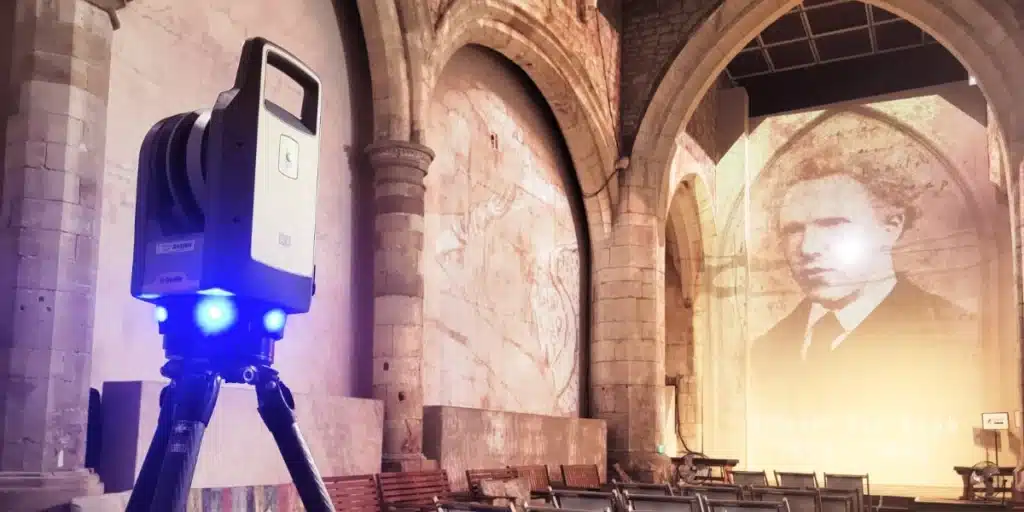
- Poor lighting – many historic sites, particularly unused spaces, make traditional recording methods alone difficult.
- Obscured features – overgrown vegetation, weathering and years of modification can hide original details.
- Irregular geometry – unlike modern builds, heritage structures rarely follow neat lines or predictable forms.
- High responsibility – the datasets we capture may serve as permanent records for decades to come, making precision and reliability a non-negotiable.
Technology alone isn’t enough to meet these challenges, it takes expertise to know when to adapt methods, to supplement scanning with manual techniques and how to preserve historic integrity while still delivering high-accuracy datasets.
Real world insights: Lessons from heritage projects:
Both Site Surveying Services and Tri-Tech have extensive experience in heritage projects. The skillset carried by both teams allows us to survey challenging buildings with the care, accuracy and precision it demands.
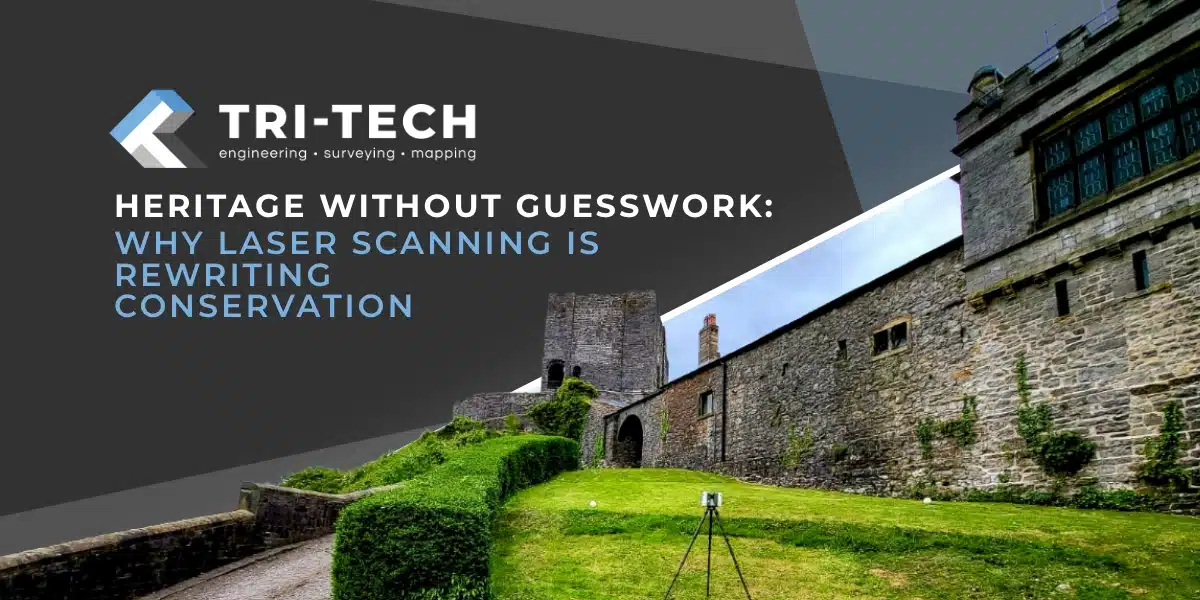
At Clitheroe castle, both Tri-Tech and Site Surveying were trusted to provide a comprehensive scan of the local landmark, rich in culture and history. The fragile, medieval walls needed a survey approach that would document every stone while protecting the site’s authenticity. Using both laser scanning and UAV services, we were able to capture the castle’s irregular surfaces with incredible accuracy.
Through the precise measurement of millions of data points, this technique enables the creation of highly accurate 3D models, ensuring that no aspect of the castle’s structure is overlooked. By harnessing the power of advanced scanning techniques, Clitheroe Castle has been immortalised in digital form, ensuring that future generations can continue to appreciate its beauty and significance for years to come.
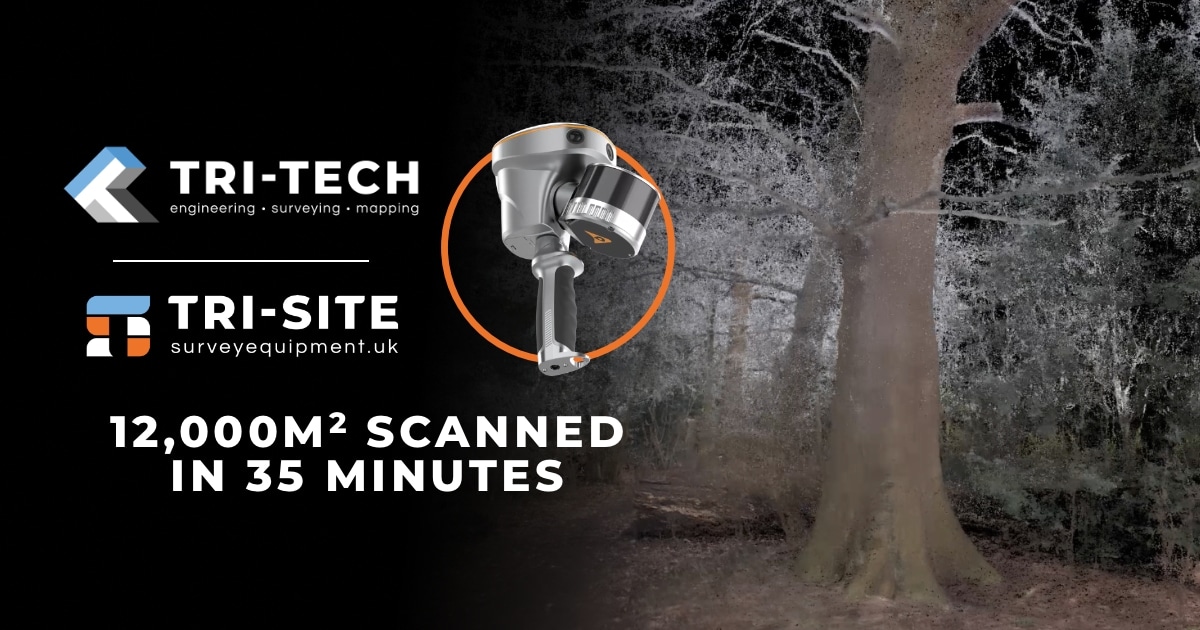
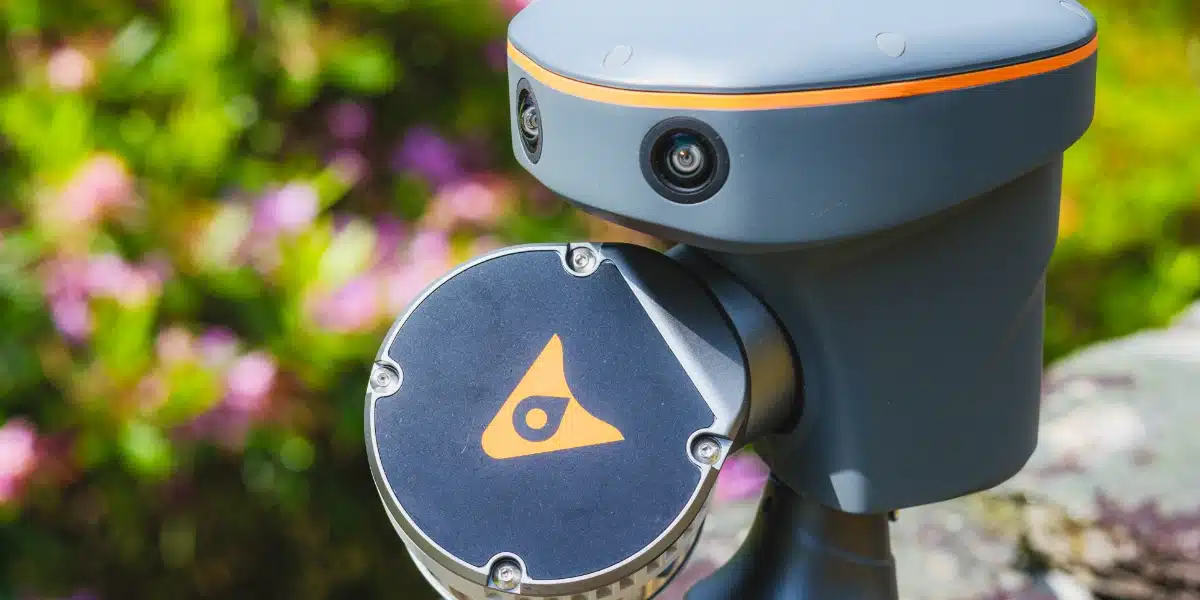
On a different project, we faced overgrown grounds, isolated locations and heritage-sensitive interiors on a rural site with a historical house. By combining traditional surveying methods with 3D scanning using the CHC RS10 Slam Scanner, we delivered a complete dataset both inside and out. This allowed planners to design sympathetically, ensuring the building’s cultural and literary legacy would be preserved.
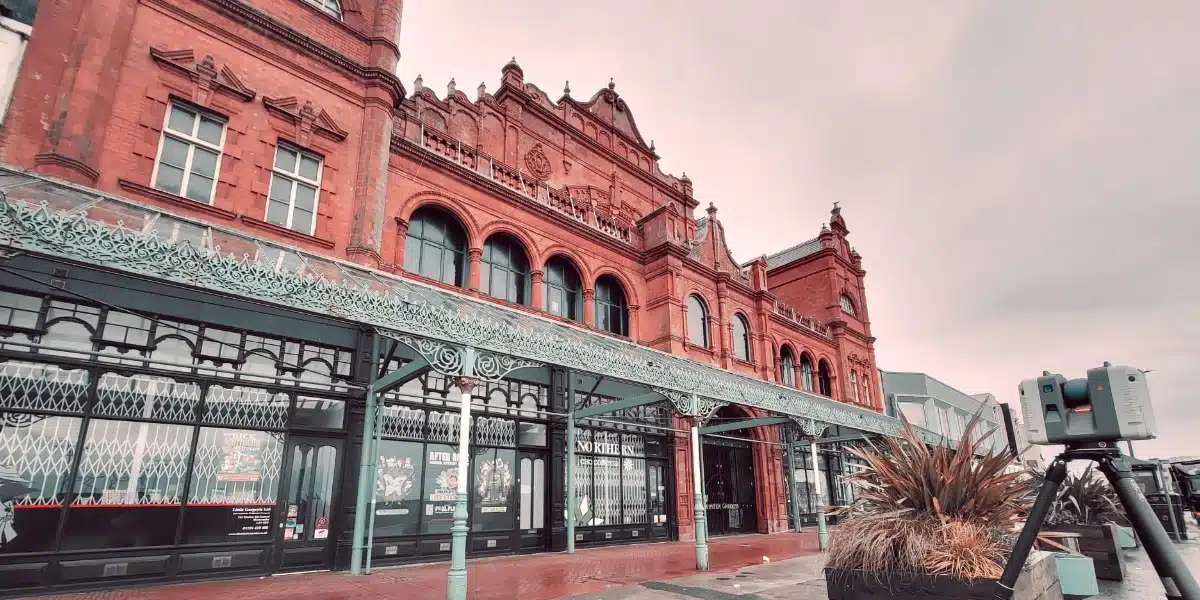
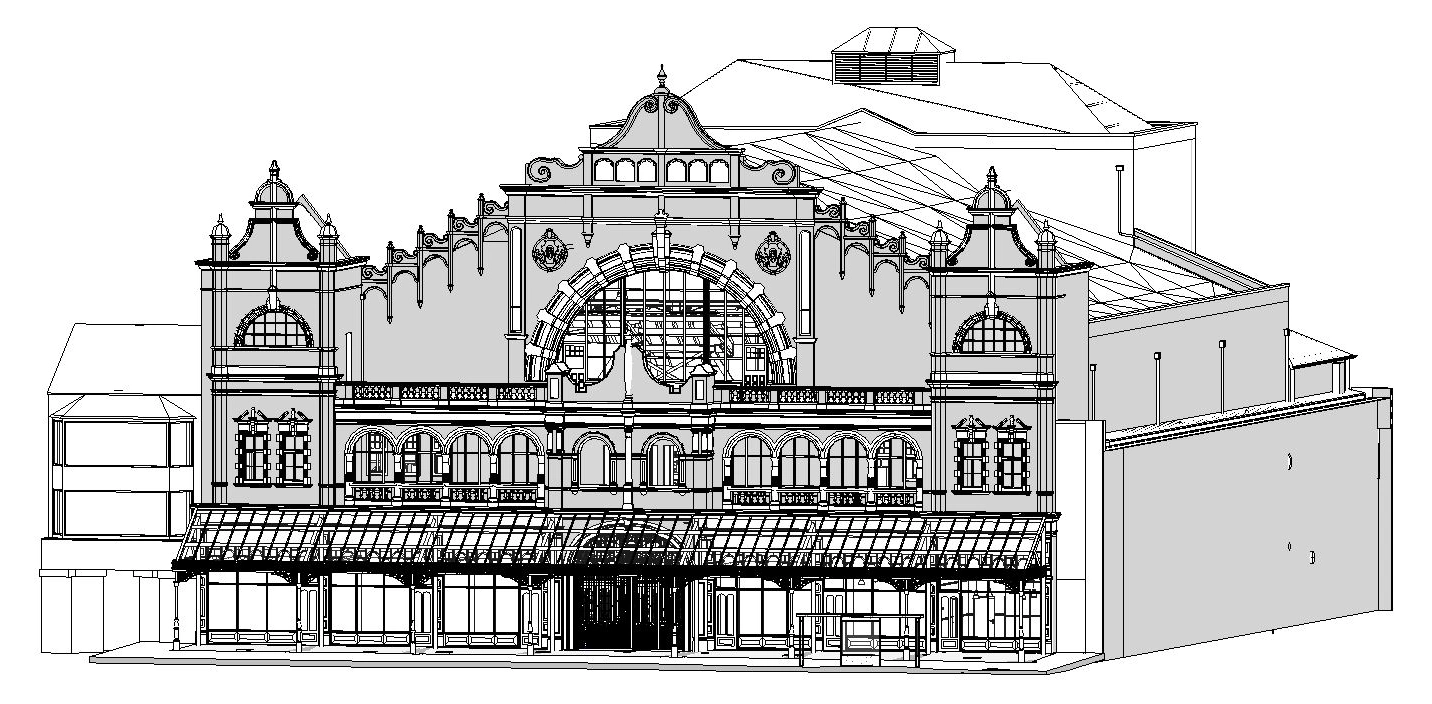
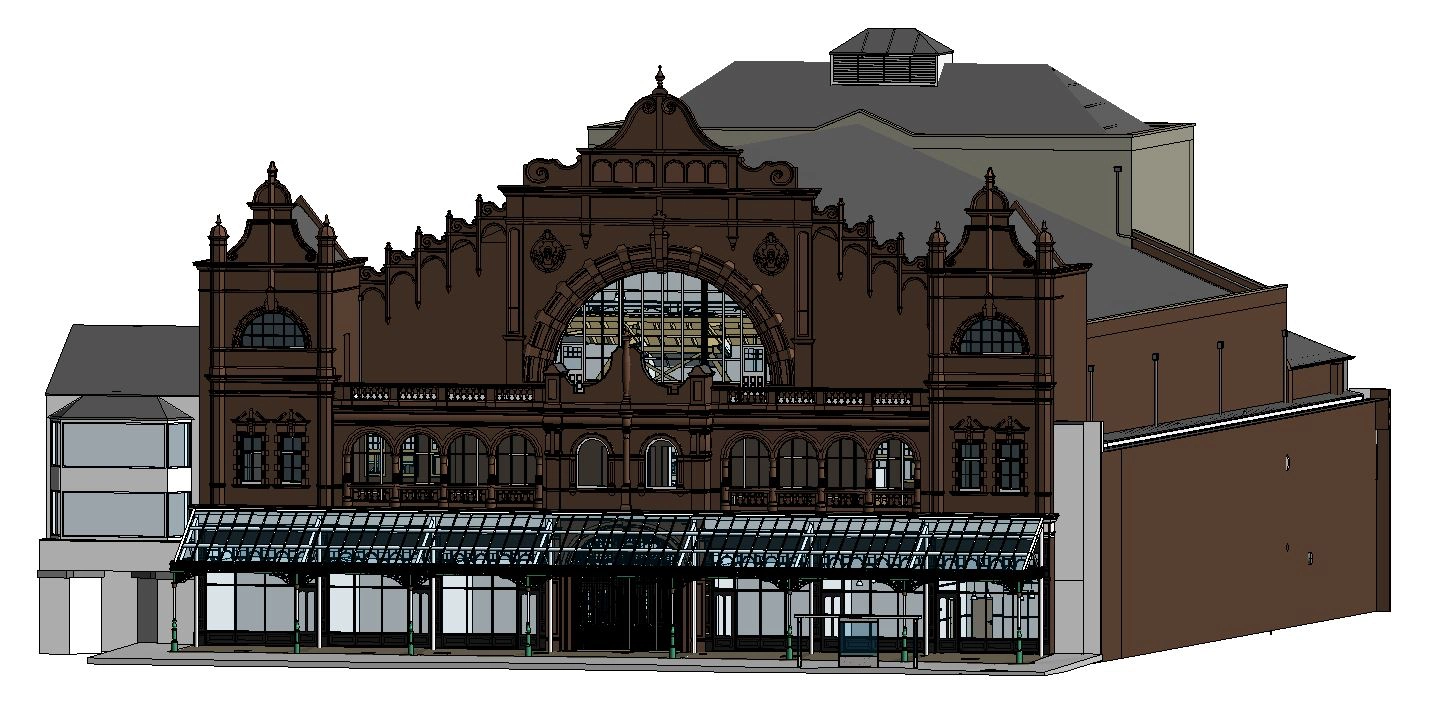
We were involved in the regeneration of Morecambe Winter Gardens which posed significant challenges in scale and intricacy. The ornate architecture, longing corridors and vast structure required absolute accuracy to support refurbishment plans. From a large colourised and heavily detailed point cloud, we created a BIM model that captured the full complexity of the site, providing a robust foundation for safety upgrades and modern interventions.
These are just some of the recent projects that highlight how heritage surveying is heavily dependent on problem-solving, adapting to unique conditions and the ability to balance modern needs with historical authenticity.
The future of heritage preservation
Looking ahead, digital technology is set to redefine how we protect and interact with heritage. Laser scanning is creating digital archives that project planners can use now, and offer the future generations the ability to see, learn and experience the whole picture.
Point clouds and BIM models allow conservation teams to monitor changes over time, identify structural risks before they become critical and design maintenance strategies with foresight rather than assumption. They also open doors to new possibilities: virtual tours, educational engagement and the ability to ‘walk-through’ historic sites.
For clients, the benefit is certainty. Decisions are informed, risks are reduced and heritage projects progress with confidence. For communities, it means treasured landmarks are preserved and understood in greater detail than before.
At Site Surveying Services and Tri-Tech, we see ourselves as part of this future. From castles, to clock towers, chapels to manor houses, every project contributes to a digital legacy that protects the past while empowering the future.
We’re proud to play a role in safeguarding cultural treasures and ensuring they remain a source of pride and inspiration for generations to come.